

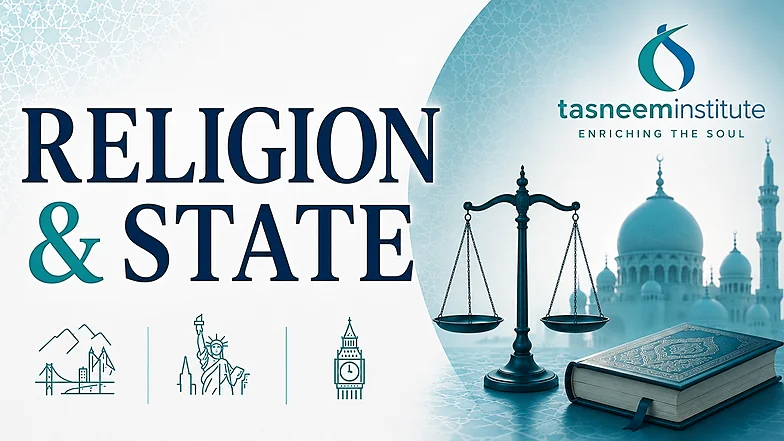
About this course
Consider the relationship between religion, authority and governance in Shia Islam. The study begins with the foundations of political authority, establishing the questions that shape its discussion of rulers, justice and religious responsibility.
The next lessons examine justice and the issue of serving unjust governments, then turn to Islamic perspectives on migration and citizenship. These subjects connect the foundations of political authority with questions about participation in government and membership in a wider political community.
What you’ll explore
- Foundations of political authority in Shia Islam
- Justice and serving unjust governments
- Islamic perspectives on migration and citizenship
Curriculum
- 01Foundations of Political Authority in Shiʿi Islam
- 02Justice, Political Authority, and Serving Unjust Governments
- 03Islamic Perspectives on Migration and Citizenship
- 04The Guardianship of the Jurist
Before you begin
Your subscription includes this course. Already subscribed? Sign in through My Learning.
Yes. Revisit lessons, lecture notes and self-assessments as often as you like while your subscription is active.
Subscribers receive a course certificate when they complete the course and its self-assessments.
In-person courses and retreats have their own registration and are not included in the online subscription.
